

Built for the Ride
The perfect hydration pack for rugged terrain
4.9 ★
4,000+ REVIEWS
50K+
RUNNERS SERVED
365
DAY WARRANTY
Mountain Bike Hydration Packs, Stable on Any Terrain
18 products


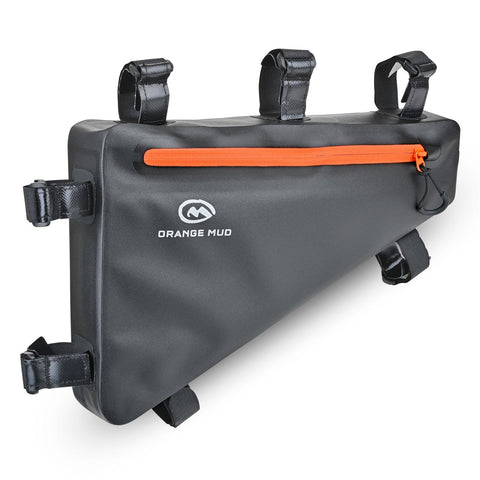
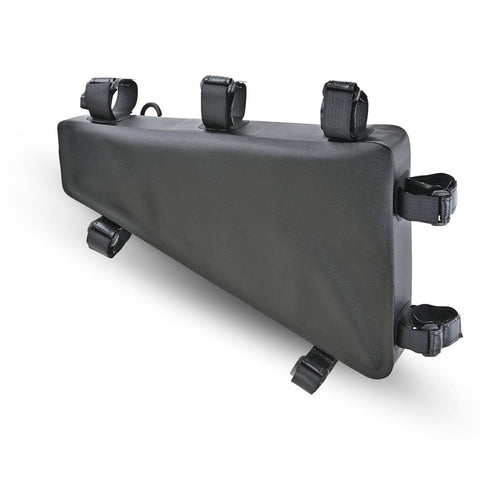
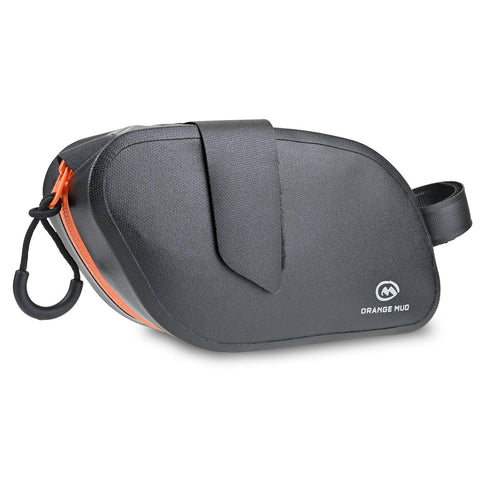
Description
Choosing the Right MTB Hydration Pack
Why MTB Riders Choose Orange Mud
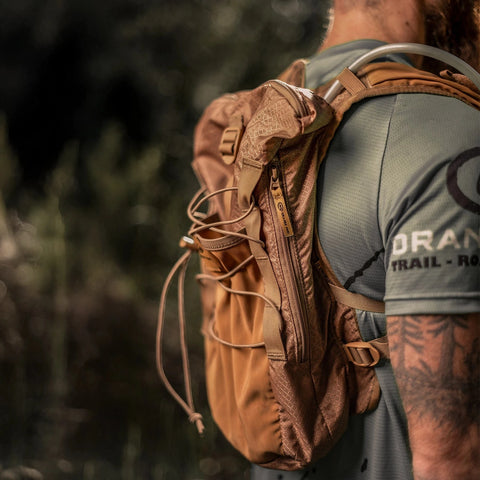
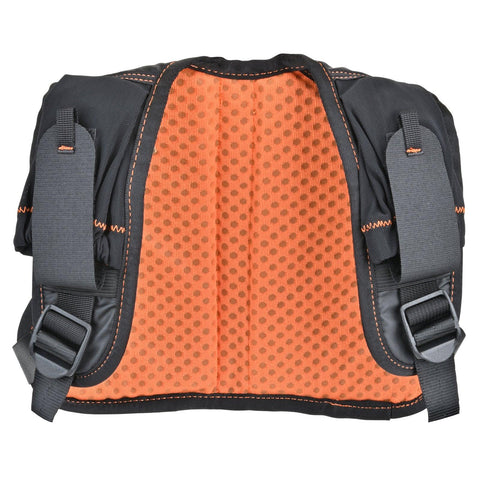
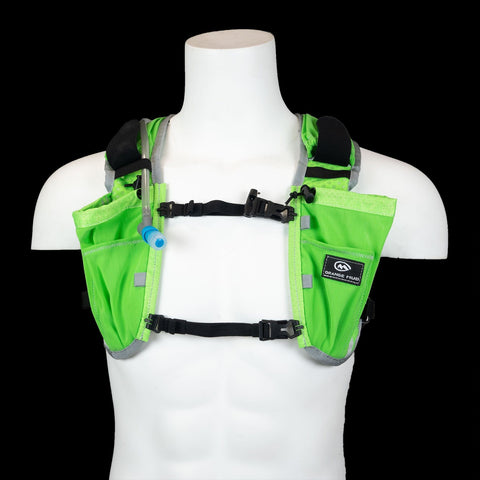
Locking harness
that holds position through sustained vibration on technical descents
Vertical, centered water placement
that does not affect balance on steep or technical terrain
Snag free
minimal external profile for tight singletrack and lift assisted riding
Bladder or bottle options
for different refill preferences and riding conditions
Scalable Capacity
from 1L XC setups to full 2L enduro day capacity
Shop by Ride Style and Distance
All three stay centered and stable from the first climb to the last descent.
| Pack | Hydration | Best For |
|---|---|---|
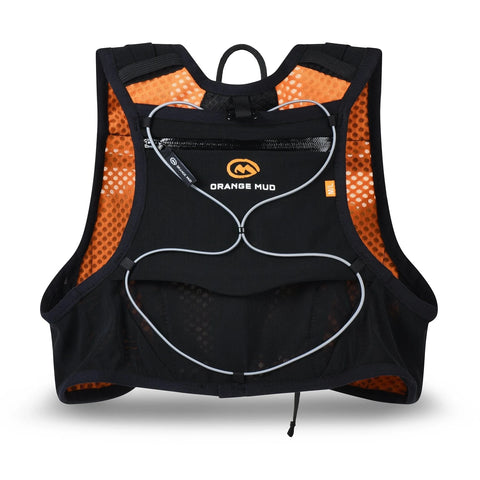
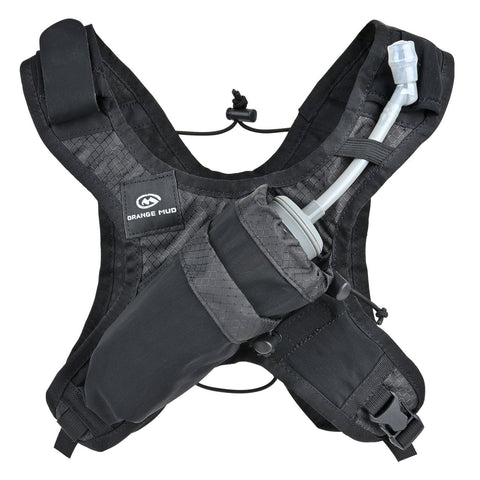
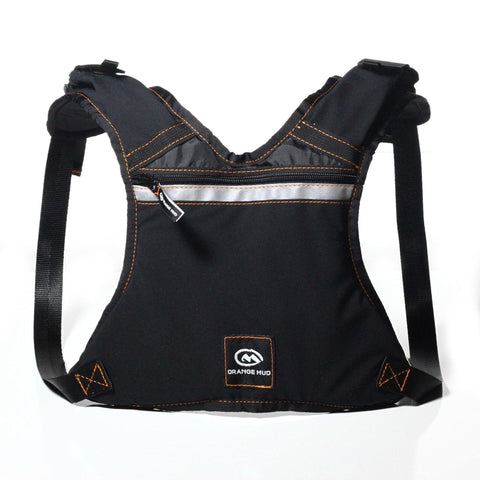
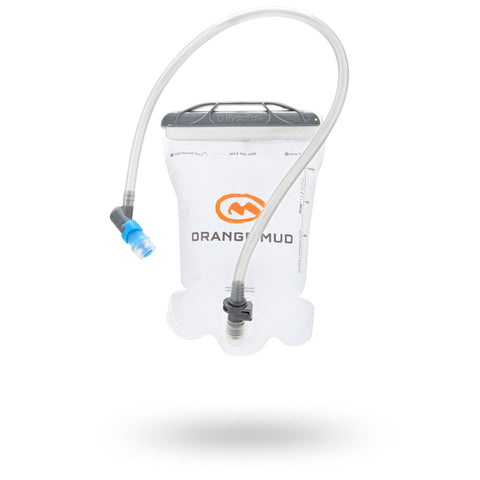
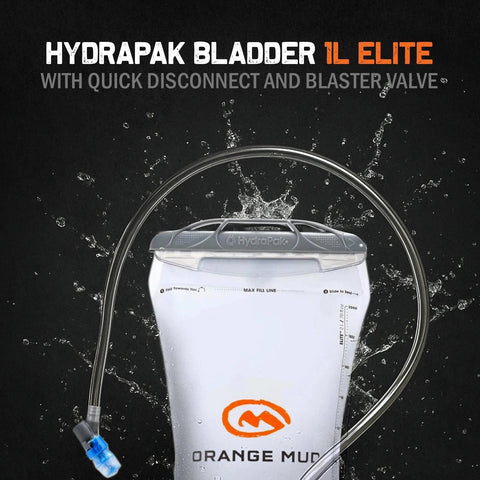
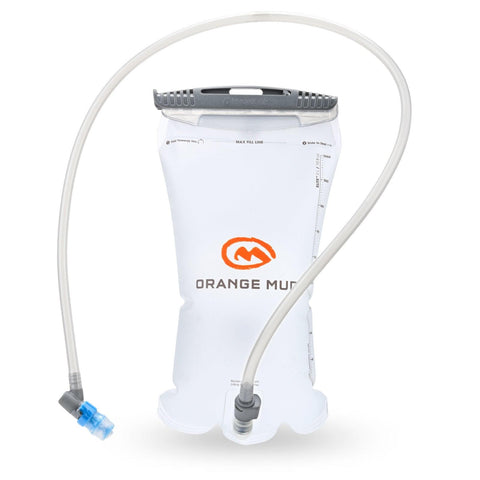
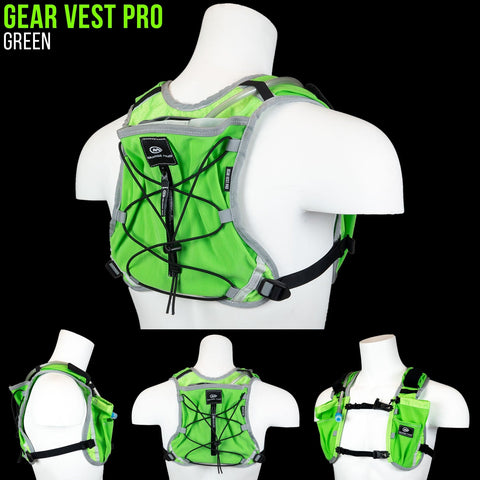
| Gear Vest | 1L bladder | XC and trail riding with minimal weight and a snag-free profile |
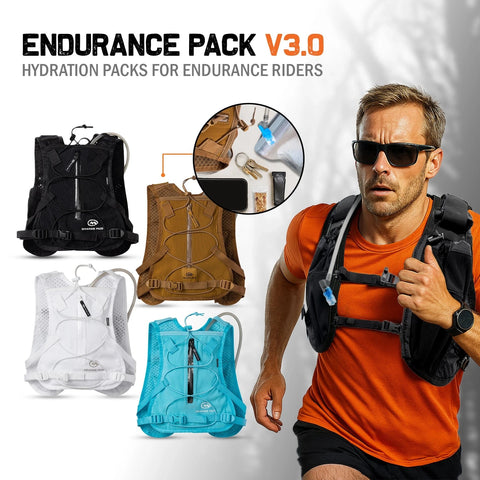
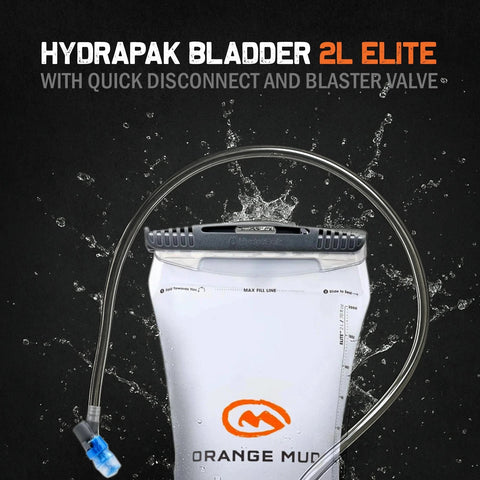
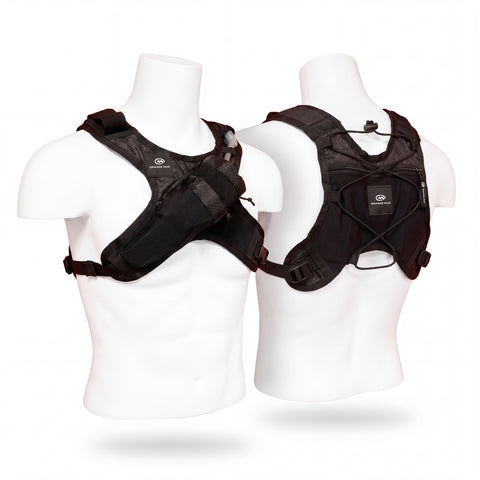
| Endurance Pack V3.0 | 2L bladder | enduro, all day trail rides, and remote routes |
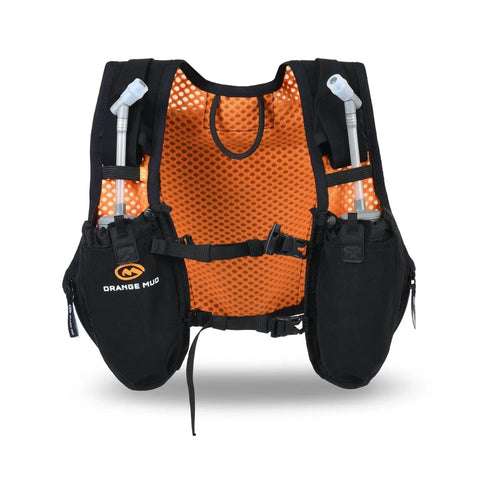
| HydraQuiver VP2 | Dual bottle | bottle based carry, fast trailhead and mid ride refills |
Frequently Asked Questions
For XC and bike park riding, the Gear Vest (1L) keeps weight low and profile snag free. For enduro, all day trail rides, and remote routes, the Endurance Pack (2L) provides enough capacity to cover a full stage or extended day without depending on water sources being available when and where you expect them.
A poorly fitting or incorrectly loaded pack can affect balance on technical terrain. Orange Mud's MTB packs use vertical, close to body water placement that keeps the load centered on your spine at the correct height, which minimises balance disruption through drops, jumps, and steep descents.
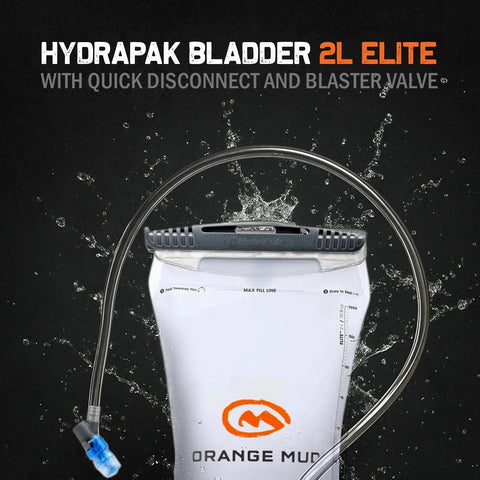
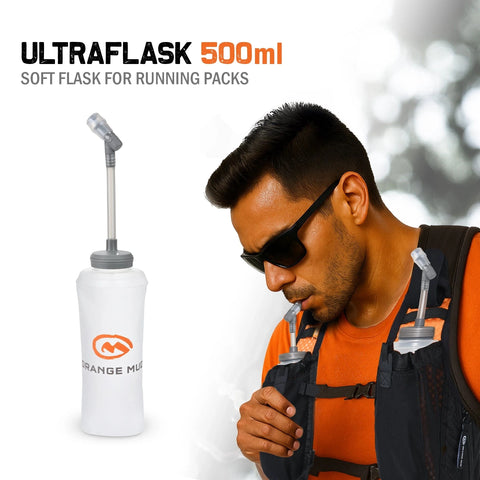
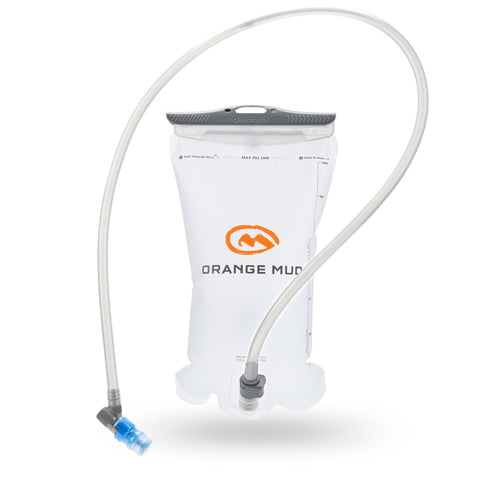
Both work well. A bladder is more convenient for sipping without changing hand position on the bars, which suits sustained climbing and flow trail sections. The bottle based HydraQuiver VP2 is faster to refill at a trailhead or water source, eliminates hose management, and gives you a clear read on remaining volume for decisions about extending or cutting short a remote ride.
No. Orange Mud MTB packs use a locking harness designed to hold tension through the sustained vibration of technical descending rather than gradually loosening over the course of a long downhill section.
Yes. The Endurance Pack (2L) is the right choice for enduro stages and events, providing full stage water capacity in a close to body fit that stays locked through the technical descents and extended climbs that enduro racing requires.
No. Orange Mud MTB packs use a minimal external profile with no loose straps, external loops, or overhanging pockets that catch on trailside vegetation, bike park infrastructure, or lift chair mechanisms.
For rides under three hours with accessible water at the trailhead or mid route, the 1L Gear Vest is typically sufficient. For all day rides over four to six hours, remote routes, hot conditions, or enduro events with long stage gaps, carry 2L with the Endurance Pack to ensure you have enough margin if the ride runs longer or hotter than planned.