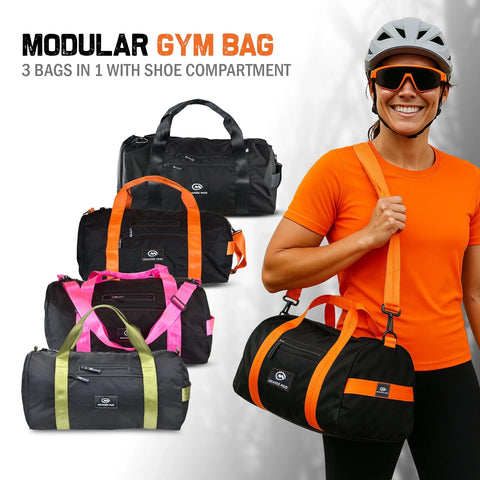
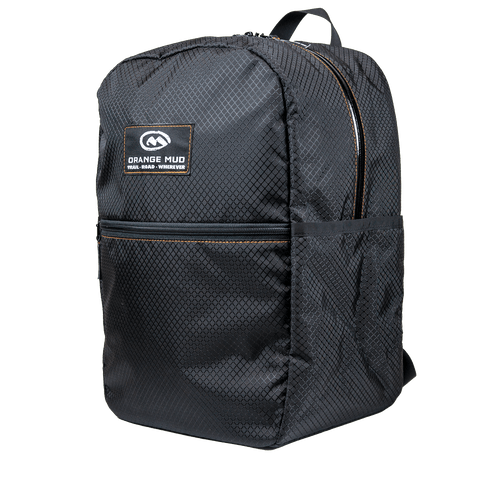
Most athletes end up with the wrong gym bag because they buy for capacity first and forget everything else. A bag that holds everything you need but takes five minutes to find anything in, soaks up sweat from a wet towel, or shreds at the shoulder strap after three months of daily use is not saving you money on a cheaper option. It is costing you more in frustration and replacement cycles.
Volume is the first variable worth sorting, but it should be matched to your actual daily routine rather than your maximum packing scenario. Athletes who train before work and commute straight to the office need something compact enough to carry comfortably but large enough to hold kit, shoes, and a change of clothes without overflow. Athletes who drive to a race venue and need to pack for two days of competition need something closer to a small duffle that handles the volume without becoming a carry on situation.
Material and wet carry capability matter more for athletes than for general consumers. A gym bag that cannot handle a wet swimsuit, a damp running kit, or a pair of trail shoes with mud on them is a bag that forces you to change how you train rather than fitting into how you already train. Orange Mud bags are built with materials that handle moisture, wipe clean, and dry without holding odor across a week of daily use.
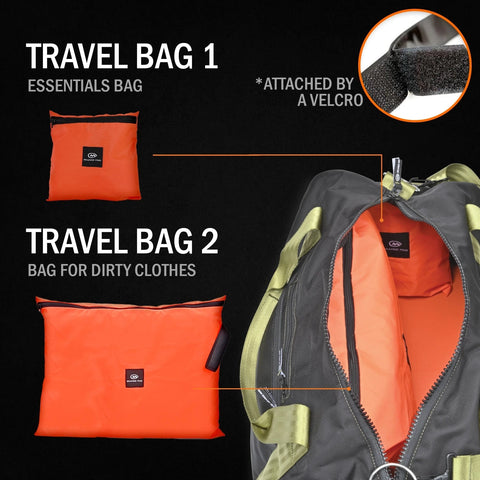
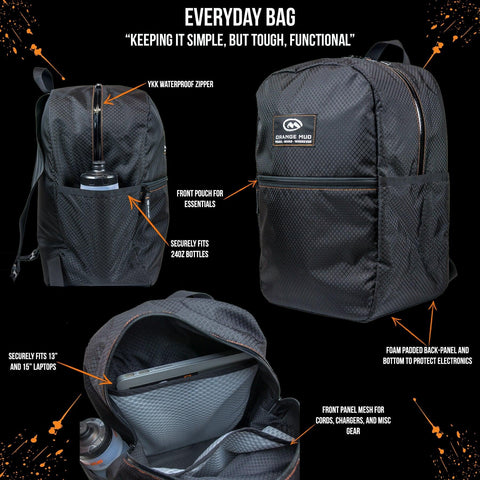
Organisation inside the bag is where athlete specific design earns its value. A dedicated shoe compartment that keeps rubber soles away from clean kit. A wet pocket for post swim or post run gear. A flat pocket for a phone, keys, and a card without digging through the main compartment every time. A water bottle sleeve or holder that keeps hydration accessible without tipping or rolling around the bag. These are the features that make a bag feel like it was designed for how athletes actually pack and move.
Shoulder and carry comfort across a full commute or a race weekend is the final thing to consider. A bag that cuts into your shoulder after twenty minutes of walking is a bag you start leaving at home rather than using daily. Padded straps, a balanced load profile, and a chest strap option for heavier loads are what separate a bag built for daily athlete use from one built to photograph well.
From the Gym to the Race Start and Back
One of the genuine advantages of this collection is that the same bag works across the full week of an active athlete's life. Monday through Friday it carries kit to morning training and back. Friday evening it gets repacked for a race weekend. Saturday it is the transition bag at the race venue. Sunday it carries wet and muddy gear home. Monday it is back in the gym rotation.
That kind of versatility is not accidental. It comes from designing for the whole athlete week rather than just the gym session or just the race day. The result is a bag that earns its place in daily use rather than spending most of its time at the back of a cupboard waiting for the next event.